Lutein & Zeaxanthin
Carotenoids that accumulate in the retina and help filter blue light. Found in leafy greens, eggs and yellow-orange vegetables.
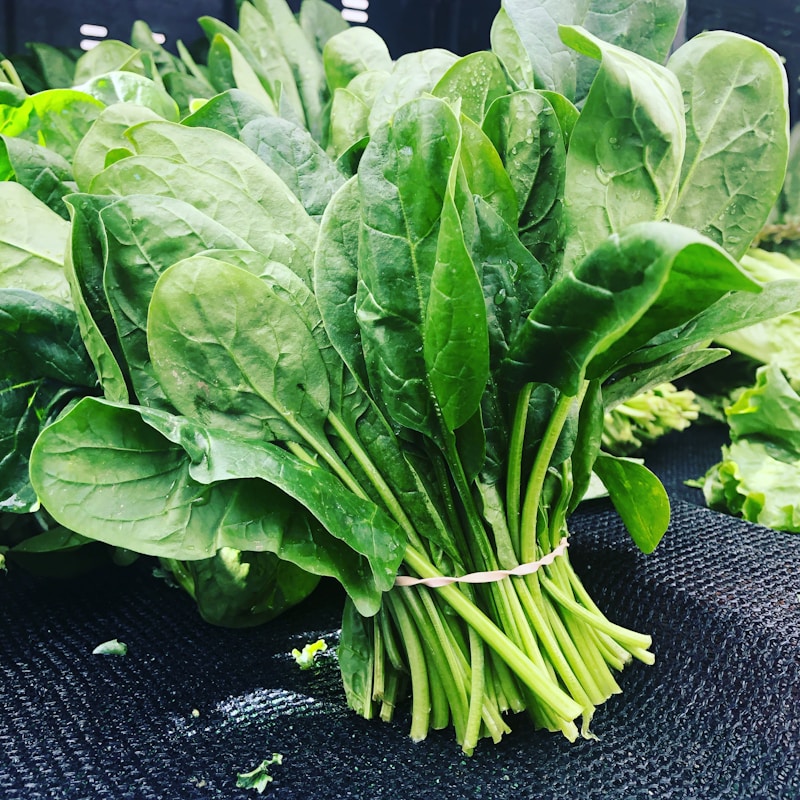
Eat eggs with your greens - egg yolks contain both the nutrients AND the fat needed for absorption. Cooked spinach with eggs is an ideal combination.
Light sautéing with fat
Fat-soluble carotenoids need fat for absorption; light cooking breaks down cell walls
Technique: Sauté spinach or kale briefly in olive oil or butter
Steaming
Gentle heat improves bioavailability without destroying nutrients
Technique: Steam leafy greens for 3-5 minutes, then add butter or oil
Eating raw without fat
Fat-soluble nutrients need dietary fat for absorption
Over-boiling
Extended boiling leaches nutrients into water
Compounds are being studied for their effects on biological pathways. Evidence strength and real-world relevance vary.
Eye research
Randomised trials in people with age-related macular degeneration (AREDS2) support a role for lutein and zeaxanthin supplements in slowing progression in specific patient groups; this concerns diagnosed patients and supplement doses, not everyday eating.
Skin research
Some human studies report reduced oxidative-stress markers in skin; clinical significance is uncertain.
Cognitive research
Observational studies associate higher lutein intake with cognitive measures in older adults; causation is not established.
Antioxidant research
Antioxidant activity is demonstrated in laboratory settings; whole-body effects in people are not established.