
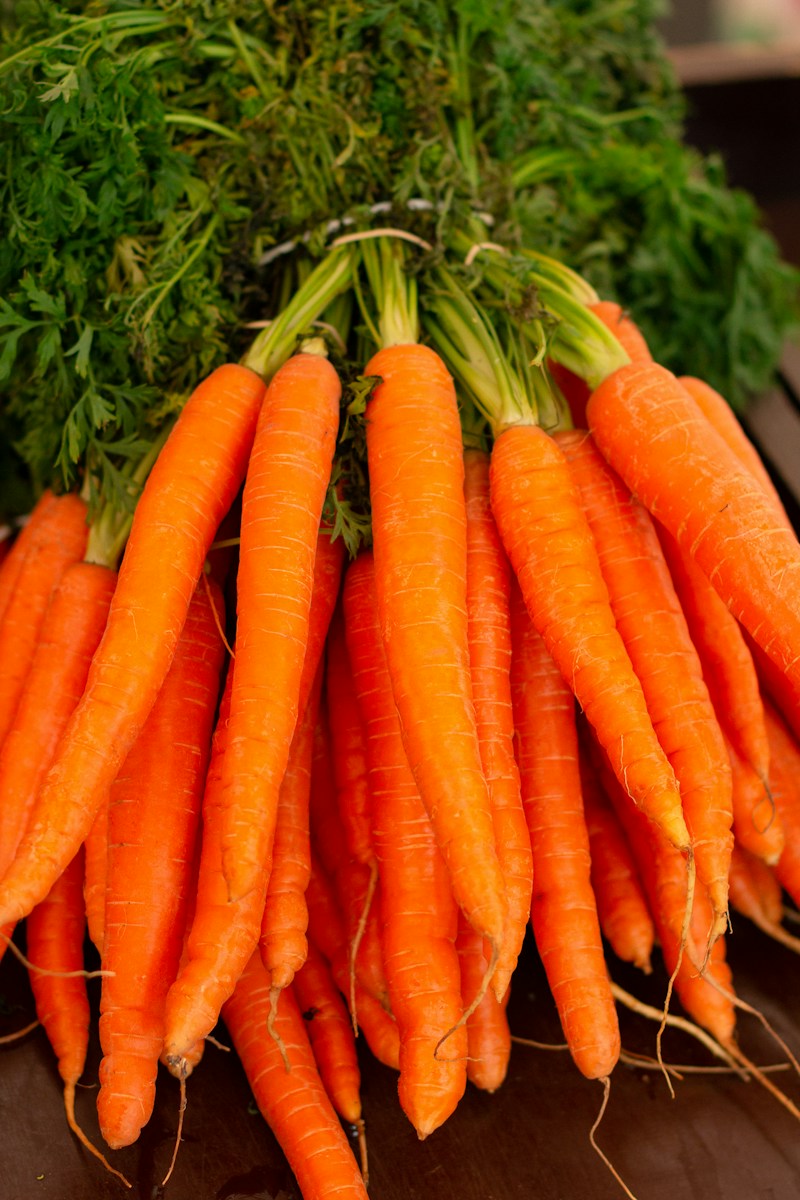
Beta-Carotene
A provitamin A carotenoid that the body converts to vitamin A as needed — a well-established role. Found in orange and deep-green vegetables.
Eat with fat-containing foods like nuts, seeds, or olive oil. Cooking actually increases beta-carotene absorption by 6-8 times compared to raw.
Light steaming with fat
Gentle heat softens cell walls while preserving nutrients, fat enhances absorption
Technique: Steam carrots for 5-7 minutes and toss with butter or olive oil
Roasting
Caramelization concentrates nutrients and improves bioavailability
Technique: Roast sweet potatoes at 200°C for 30-40 minutes with olive oil
Prolonged boiling
Water-soluble nutrients leach into cooking water which is often discarded
Compounds are being studied for their effects on biological pathways. Evidence strength and real-world relevance vary.
Vision research
Beta-carotene is converted to vitamin A, which is well established as essential for normal vision, including low-light vision.
Immune research
Vitamin A is well established as necessary for normal immune function. Extra beta-carotene beyond adequacy has not been shown to further strengthen immunity.
Skin research
Some human studies report modest changes in sunburn-redness markers with beta-carotene-rich diets; effects are modest and not a substitute for sun protection.
Antioxidant research
Antioxidant activity is demonstrated in cells; however, large supplement trials in smokers found increased lung-cancer risk, so effects in the body are complex.