Lycopene
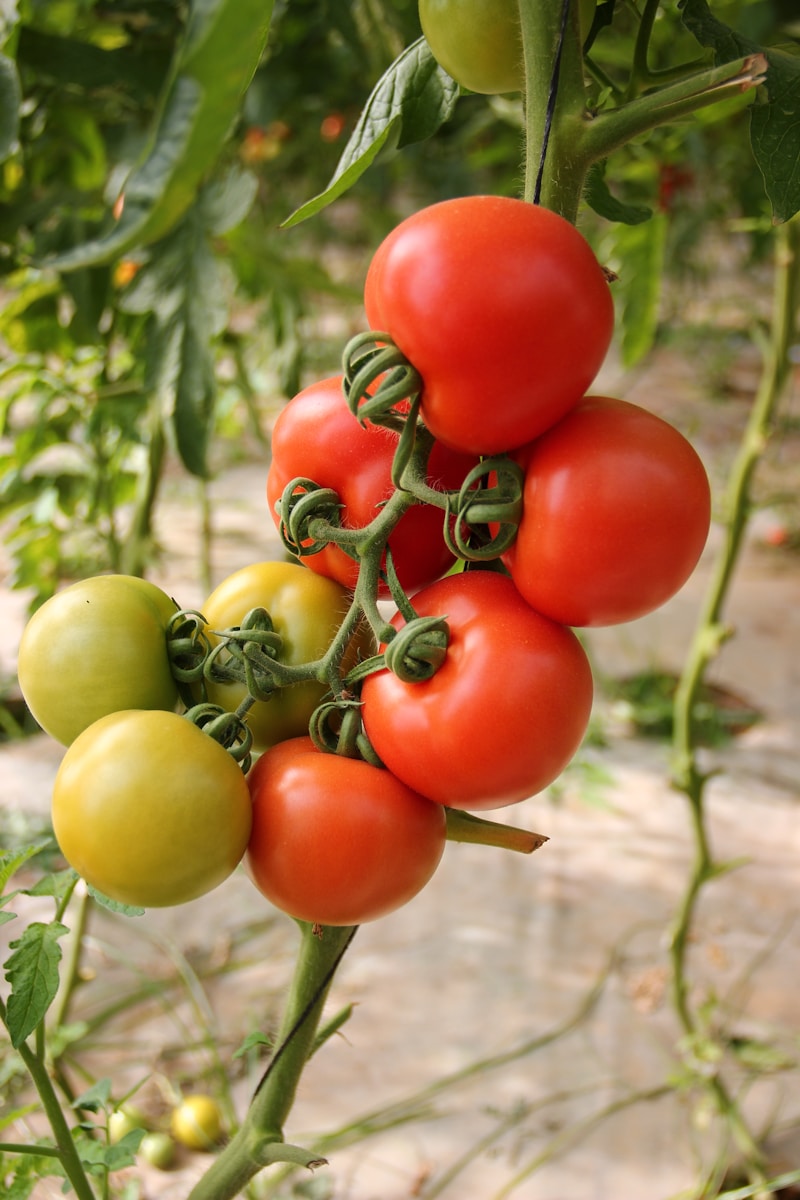
The carotenoid that gives tomatoes and watermelon their red colour. Cooking tomatoes with fat improves lycopene absorption — a well-established food-science observation.
Always pair tomatoes with healthy fats like olive oil, avocado, or nuts. Processed tomato products (paste, sauce) are actually more nutritious than fresh in terms of lycopene availability.
Cooking with olive oil
Heat breaks down cell walls and olive oil dramatically increases absorption
Technique: Cooked tomatoes provide 3-4x more bioavailable lycopene than raw
Roasting or stewing
Concentrated heat transforms lycopene into a more absorbable form
Technique: Make homemade tomato sauce and simmer for at least 30 minutes
Eating raw without fat
Lycopene is fat-soluble and needs dietary fat for absorption
Cardiovascular research
Observational studies associate tomato-rich diets with cardiovascular health, and some small trials report changes in LDL oxidation markers; causation is not established.
Prostate research
Evidence on lycopene and prostate cancer is mixed: some observational studies report associations, while randomised trial evidence is lacking.
Skin research
Small human trials report modest changes in sunburn-redness markers with tomato paste consumption; effects are modest and not a substitute for sun protection.
Bone research
Laboratory and early human studies report effects on bone-cell and oxidative-stress markers; clinical outcomes are not established.