
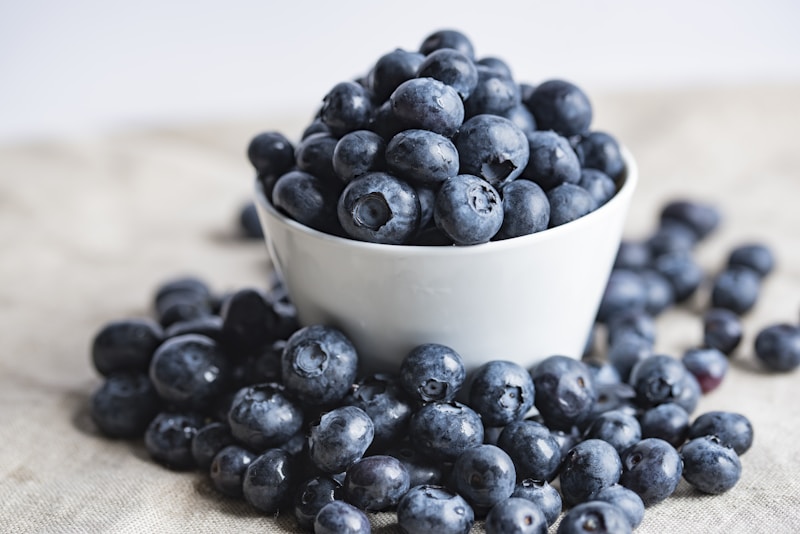
Anthocyanins
Water-soluble pigments that give berries and purple produce their colour and are affected by pH, heat and light — well-established food science. Their effects in the human body remain an active research area.
Consume berries with yogurt or dairy - the fat content enhances anthocyanin absorption, and fermentation may increase bioavailability.
Eating raw or frozen
Anthocyanins are heat-sensitive; raw or frozen berries preserve maximum content
Technique: Frozen berries are flash-frozen at peak ripeness, preserving anthocyanins perfectly
Brief heating (under 5 minutes)
Short cooking times minimize anthocyanin degradation
Technique: Add berries to oatmeal or smoothies at the end, or use gentle heat
Acidic preparations
Acidic environments (lemon juice, vinegar) help stabilize anthocyanins
Technique: Add lemon juice to berry compotes to preserve color and nutrients
Prolonged cooking or baking
Heat degrades anthocyanins rapidly - can lose 50% in 10 minutes of cooking
Alkaline conditions
Baking soda or alkaline water can destroy anthocyanins
Compounds are being studied for their effects on biological pathways. Evidence strength and real-world relevance vary.
Cognitive research
Some observational studies associate berry intake with slower cognitive decline, and small trials with berry preparations report changes in brain blood flow; long-term effects are not established.
Cardiovascular research
Small human trials with berry and cherry preparations report modest changes in blood-pressure and vessel-function markers; findings are inconsistent.
Blood-sugar research
Some human studies report changes in insulin-sensitivity markers after berry consumption; findings vary and clinical significance is uncertain.
Vision research
Laboratory and early human studies report effects on visual-function markers; evidence remains limited.