
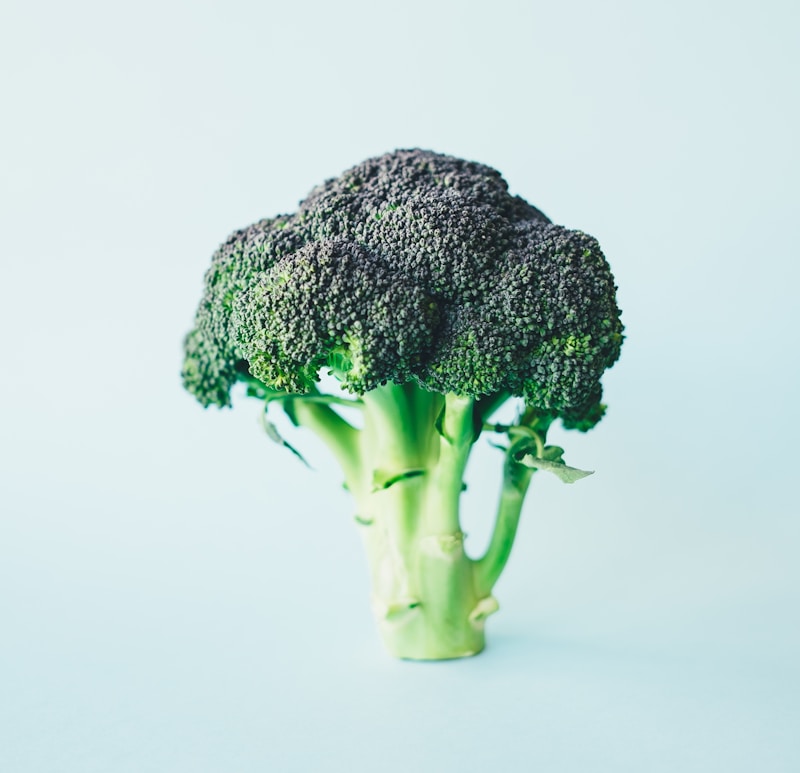
Sulforaphane
A sulfur-containing compound formed from glucosinolates in cruciferous vegetables when they are cut or chewed. Light steaming preserves the enzyme that produces it — well-established food science.
Eat broccoli sprouts which contain 10-100x more sulforaphane precursors than mature broccoli, or add mustard powder to cooked cruciferous vegetables.
Light steaming (3-4 minutes)
Brief steaming preserves myrosinase enzyme needed to convert glucosinolates to sulforaphane
Technique: Steam broccoli until bright green and slightly tender - overcooking destroys myrosinase
Eating raw with mustard powder
Raw provides maximum myrosinase; adding mustard powder helps if enzyme is damaged
Technique: Sprinkle 1/4 tsp mustard powder on cooked cruciferous vegetables to restore sulforaphane production
Chopping and waiting
Cutting vegetables activates myrosinase enzyme that creates sulforaphane
Technique: Chop broccoli and let sit for 40 minutes before cooking to maximize sulforaphane
Boiling or overcooking
Heat above 140°F destroys myrosinase enzyme, preventing sulforaphane formation
Microwaving on high
Can destroy up to 97% of beneficial glucosinolates
Compounds are being studied for their effects on biological pathways. Evidence strength and real-world relevance vary.
Cancer-related research
Laboratory studies suggest sulforaphane interacts with pathways involved in cellular defence and carcinogen metabolism. Evidence that eating cruciferous vegetables prevents particular cancers in humans remains mixed.
Cellular-defence research
Sulforaphane has been studied for its influence on Nrf2 signalling and phase II enzyme activity, mostly in laboratory, animal and biomarker studies. Effects in people depend on preparation, digestion, dose and individual metabolism.
Cardiovascular research
Some human studies with broccoli sprout preparations report changes in blood-vessel or blood-pressure markers; findings are inconsistent.
Blood-sugar research
A small number of trials with concentrated sulforaphane preparations report changes in blood-sugar markers; culinary evidence is lacking.