
Quercetin
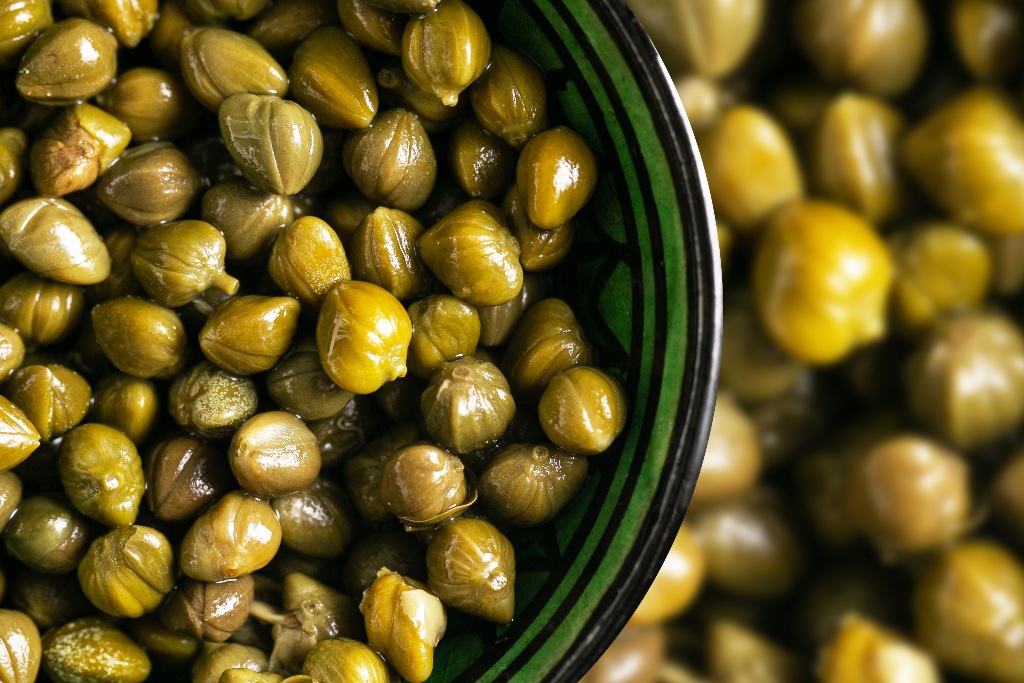
A flavonoid found in onions, shallots, apples, capers and many colourful plants, studied for effects on inflammation and allergy pathways in laboratory and human settings.
Consume with vitamin C-rich foods (like citrus) to enhance quercetin absorption and stability.
Light sautéing or steaming
Brief cooking can increase quercetin bioavailability while preserving content
Technique: Sauté onions for 3-5 minutes - overcooking destroys quercetin
Eating raw with the skin on
Quercetin is concentrated in skins and outer layers of produce
Technique: The outer rings of onions contain 10x more quercetin than inner layers
Prolonged boiling
Boiling for over 15 minutes can cause up to 80% loss of quercetin into the water
Peeling produce
Removes the most quercetin-rich parts of fruits and vegetables
Compounds are being studied for their effects on biological pathways. Evidence strength and real-world relevance vary.
Allergy research
Laboratory studies report mast-cell stabilisation; a small number of human trials with quercetin supplements report mixed effects on allergy symptoms.
Inflammation research
Some human studies report changes in inflammatory markers with quercetin supplements; findings are inconsistent and doses exceed dietary amounts.
Blood pressure research
Some trials report small blood-pressure reductions with quercetin supplements; effects from food sources are not established.
Brain research
Laboratory studies report neuroprotective mechanisms; human evidence is lacking.